Description
Medical Description
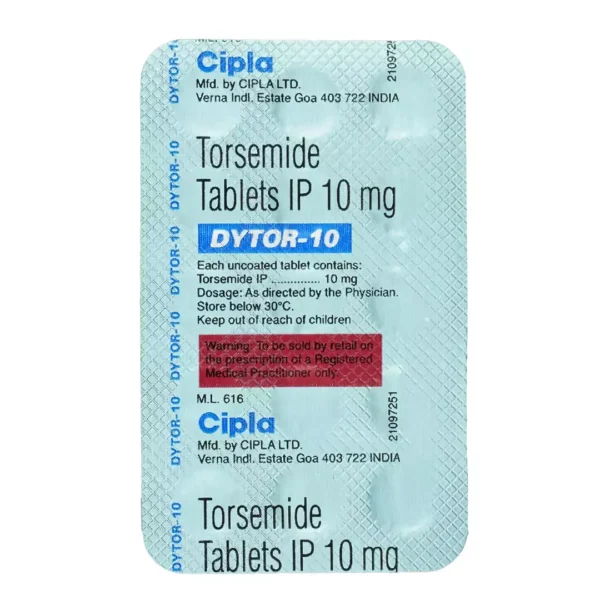
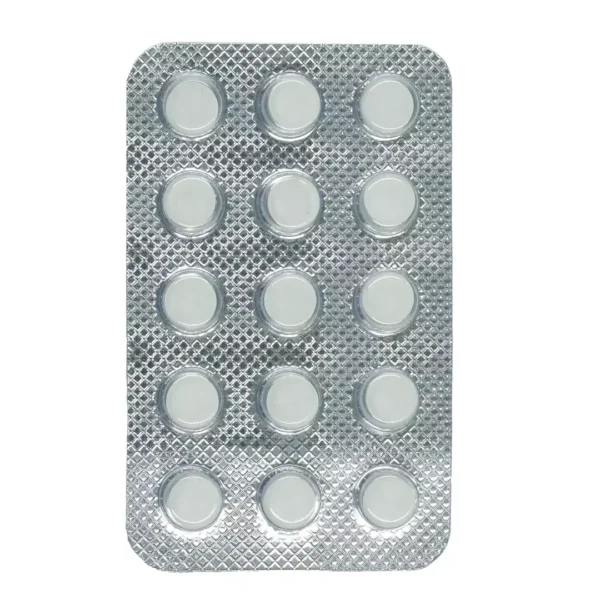
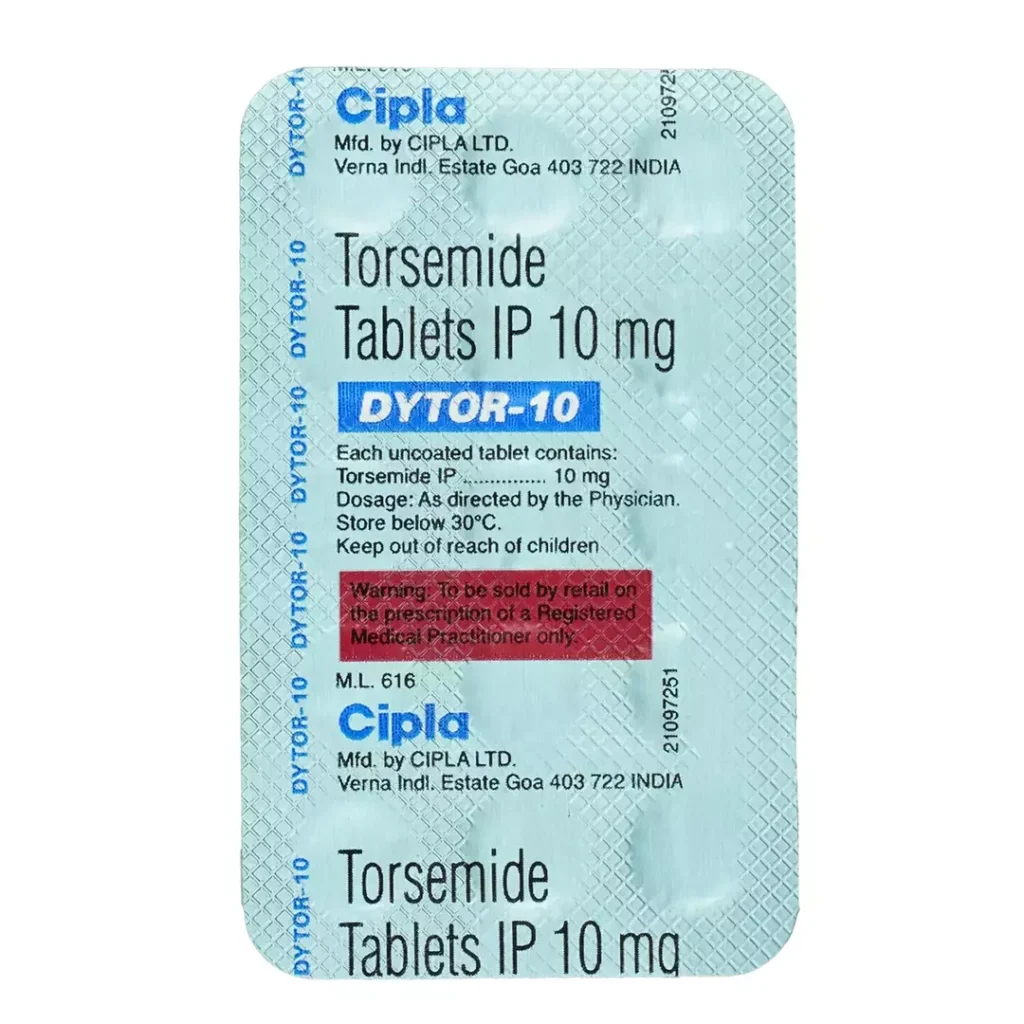
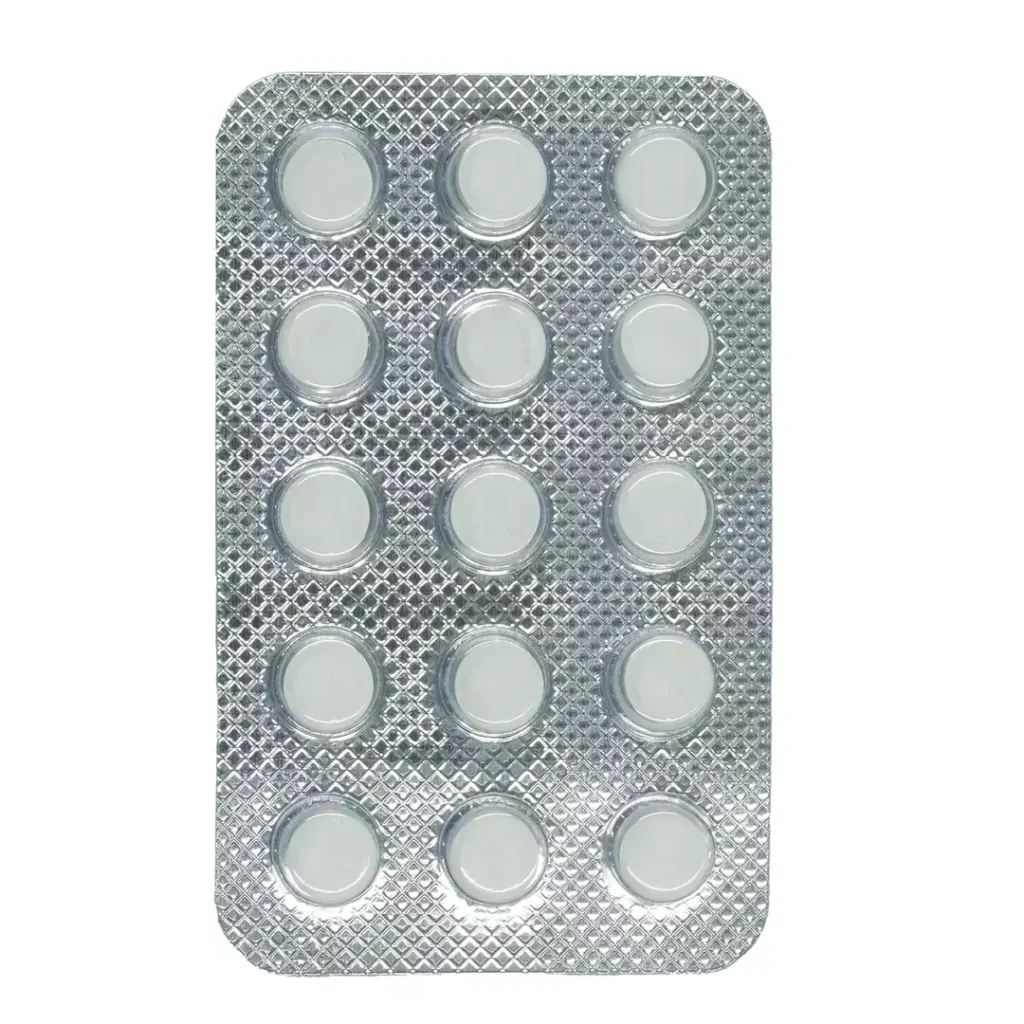
Dytor 10 Tablet is a prescription diuretic medicine, commonly referred to as a “water pill,” used to help the body eliminate excess fluid and reduce high blood pressure. Removing extra water and salt through increased urine production helps lower blood pressure and decreases the strain on the heart and blood vessels. In addition to managing hypertension, it is frequently prescribed to reduce swelling (oedema) that can occur in the legs, ankles, and other parts of the body due to conditions such as congestive heart failure, chronic kidney disease, or liver disorders like cirrhosis.
The active ingredient in Dytor 10 Tablet is torsemide, a potent loop diuretic. Torsemide works by acting on a specific part of the kidneys called the loop of Henle, where it blocks the reabsorption of sodium, chloride, and water. This leads to increased urine output, which helps remove excess fluid from the body. By reducing fluid overload, it not only eases swelling but also helps improve symptoms such as shortness of breath, especially in people with heart failure.
Other medicines that contain torsemide in the same strength include Tide 10 tablet, Torget 10 tablet, Torsinol 10 tablet and Torsid 10 tablet. While these products have the same active ingredient and similar effects, the choice of brand may depend on availability, affordability, or physician preference. Regardless of the brand, it is important to follow the exact dosing schedule and treatment duration prescribed by the doctor to ensure effectiveness and avoid complications.
Dytor 10 Tablet should be taken at the dose and frequency recommended by your healthcare provider. It can be taken with or without food, preferably at the same time each day to maintain consistent blood levels. Because it increases urine output, taking it earlier in the day is usually advised to avoid nighttime urination. Skipping doses or taking more than prescribed can affect blood pressure control and may lead to dehydration or electrolyte imbalance.
Before starting Dytor, patients should tell their doctor if they are pregnant, planning to get pregnant, or breastfeeding. They should also share a complete medical history, especially regarding kidney or liver issues, gout, diabetes, or low blood pressure. It’s important to mention all medications, supplements, and herbal products being taken, as torsemide may interact with other drugs like blood pressure medicines, certain antibiotics, or lithium. Regular check-ups of blood pressure, kidney function, and electrolyte levels help ensure the safe and effective use of this medication.
Uses
Dytor 10 tablet belongs to a group of medicines called loop diuretics (which increase urine production). It is used to treat high blood pressure and conditions of excess fluid retention in the body due to heart failure and kidney or liver diseases.
Contraindications
- If you are allergic to this medicine or any other ingredients of the Dytor 10 tablet.
- If you are allergic to sulphonylureas like chlorpropamide and glimepiride.
- If you have heart conditions like an abnormal heartbeat.
- If you have severe kidney failure.
- If you have a low blood volume or low blood pressure.
- If you are pregnant or breastfeeding.
- If you are taking antibiotics to treat certain infections.
Side effects
- Headache
- Dizziness
- Muscle twitches or spasms
- Nausea
- Vomiting
- Diarrhoea
- Fatigue (tiredness)
Precautions and Warnings
 Pregnancy
Can I take Dytor 10 tablet during pregnancy?
Dytor 10 tablet should not be used during pregnancy as there is limited information about its safety. If you are pregnant or think you may be or are planning for a baby, you should consult your doctor.
 Breast Feeding
Can I take Dytor 10 tablet while breastfeeding?
It is unknown if this medicine passes into human milk and its effects on the breastfed baby. Hence, it should not be used in breastfeeding.
 Driving
Can I drive if I have consumed Dytor 10 tablet?
Dytor 10 tablets may make you feel dizzy or tired. Individuals must avoid driving or operating heavy machinery immediately after consuming this medicine.
 Alcohol
Can I consume alcohol with Dytor 10tablet?
Avoid consuming alcohol while taking this medicine as alcohol can affect the concentration of this medicine in your body and its desired action.
 Other General Warnings
Talk to your doctor if
- You have dehydration, salt imbalance or problems with passing urine, don’t have an adequate amount of water and fluids.
- You have gout, frequent monitoring of uric acid levels is advised.
- You are diabetic, then regular monitoring of glucose is needed.
- You are expected to monitor salt levels, glucose, uric acid and lipid levels regularly if you have been prescribed this medicine for long-term treatment.

Reviews
There are no reviews yet.